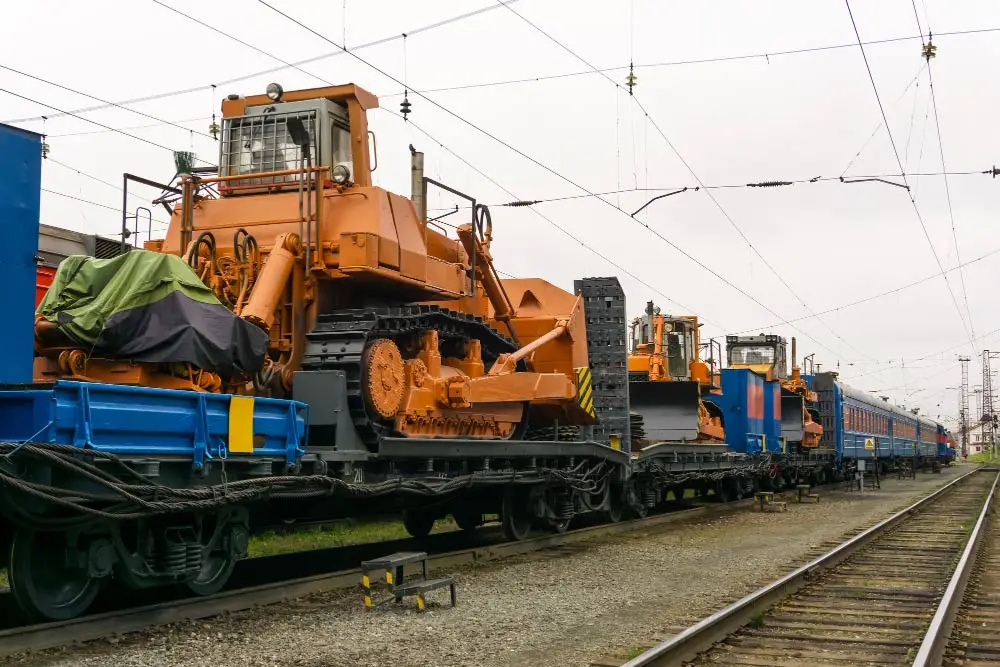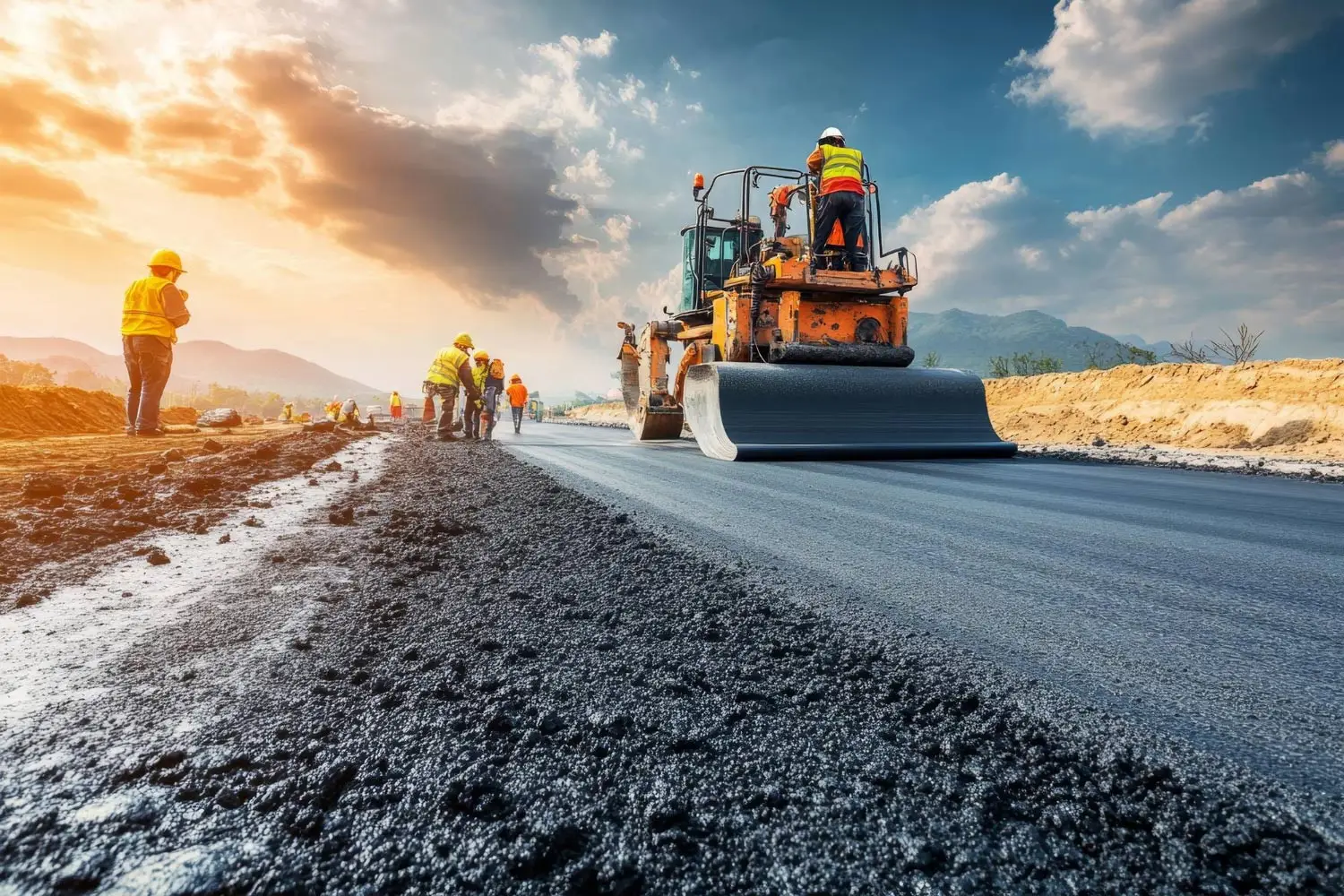
Sibiu – Pitesti motorway: CNAIR has put out to tender a 100 million lei contract to supervise works on Lot 3 Tigveni – Cornetu, the longest stretch of the A1 / WeBuild starts work next spring. The Road Company has put out to tender the contract for the supervision of works on Lot 3 of the A1 Sibiu – Pitesti motorway, the lot between Tigveni and Cornetu being the longest and most expensive of the five lots of the A1 motorway. This is a new tender for the supervision of the works, the first one having been launched in July 2021 for a cost of between 54 and 64 million lei (cancelled in August 2023 for “serious deviations”). The contract for the design and execution of the 37.4 km section was signed in August 2022 with WeBuild, but the design phase started in February 2023. Therefore, if the Italian contractor meets the 12-month deadline for the technical design stage, and the Ministry of Environment and the Ministry of Transport do not delay approvals, then work could start next spring. This is one of the largest supervision contracts to date at CNAIR. For Lot 2 Boița-Cornetu supervision costs up to 120 million lei and tenders are being submitted. By comparison, the consultancy for the Cluj Metro at the fourth attempt was worth over 200 million lei. The contract for the supervision of works on Lot 3 is worth between 85 and 101 million lei, has a duration of 191 months because it includes the guarantee period, and bids can be submitted until 11 December 2023. The tender price represents 30% of the total score and the contract funding is provided from the Transport Programme 2021-2027.

en-Trends 2024 in Romania
Forecasting trends in infrastructure construction for 2024 in Romania is a complex exercise Forecasting trends in infrastructure construction for 2024 in Romania is a complex exercise, but there are some general directions that could influence the development of this sector. Here are some potential trends in infrastructure construction for Romania in 2024: Expansion of the motorway and expressway network: The construction and expansion of the motorway network continues to be a government priority. Major projects such as the A1, A3, A4 and A10 motorways will be ongoing or completed to improve connectivity and mobility. Developing the rail network: Investment in upgrading and expanding the rail network for passenger and freight transport could continue. This could include the extension of high-speed rail lines and the development of metro rail transport in large cities such as Bucharest. Focus on green infrastructure projects: Romania could pay more attention to the development of sustainable infrastructure projects, such as the construction of green motorways and projects integrating renewable energy. Digitalisation and technology: The use of advanced technology, such as traffic management systems and smart infrastructure, could become increasingly common to improve efficiency and safety in the infrastructure construction sector. Public-private partnerships: The Romanian government could continue to promote public-private partnerships (PPPs) to finance and develop infrastructure projects. This could attract private investment in infrastructure construction and operation. More efficient allocation of financial resources: Public budgets and resource management could be monitored more closely so that funds are used more efficiently for infrastructure development. Adapting to climate change: Building climate-resilient infrastructure, such as flood protection and developing water management solutions, could become a higher priority. Updated legislation and regulations: In line with European rules, Romania will be able to update and improve legislation and regulations on public procurement and infrastructure construction. It is important to note that these trends may evolve according to political, economic and social changes. They may also vary according to available financial resources and government priorities. Nevertheless, infrastructure investment is usually considered crucial for the economic and social development of a country and is therefore expected to remain an important focal point in Romania in the coming years. Previzionarea tendințelor în construcția infrastructurii pentru anul 2024 în România este un exercițiu complex, dar există câteva direcții generale care ar putea influența dezvoltarea acestui sector. Iată câteva trenduri potențiale în construcția infrastructurii pentru România în 2024: Extinderea rețelei de autostrăzi și drumuri rapide: Construcția și extinderea rețelei de autostrăzi continuă să fie o prioritate guvernamentală. Proiecte majore, cum ar fi Autostrada A1, A3, A4 și A10, vor fi în derulare sau finalizate pentru a îmbunătăți conectivitatea și mobilitatea. Dezvoltarea rețelei de transport feroviar: Investițiile în modernizarea și extinderea rețelei feroviare pentru transportul de pasageri și mărfuri ar putea continua. Acest lucru ar putea include extinderea liniilor de cale ferată de mare viteză și dezvoltarea transportului feroviar de metrou în orașe mari precum București. Focus pe proiectele de infrastructură verde: România ar putea să acorde o atenție mai mare dezvoltării de proiecte de infrastructură durabilă, cum ar fi construcția de autostrăzi ecologice și proiecte care integrează energii regenerabile. Digitalizare și tehnologie: Utilizarea tehnologiei avansate, cum ar fi sistemele de gestionare a traficului și infrastructura inteligentă, ar putea deveni tot mai frecventă pentru a îmbunătăți eficiența și siguranța în sectorul construcției de infrastructură. Parteneriate public-privat: Guvernul român ar putea să continue să promoveze parteneriatele public-privat (PPP) pentru a finanța și dezvolta proiecte de infrastructură. Aceasta ar putea atrage investiții private în construcția și operarea infrastructurii. Alocarea mai eficientă a resurselor financiare: Bugetele publice și gestionarea resurselor ar putea fi monitorizate mai strâns, astfel încât fondurile să fie utilizate mai eficient pentru dezvoltarea infrastructurii. Adaptarea la schimbările climatice: Construcția de infrastructură rezistentă la schimbările climatice, cum ar fi protecția împotriva inundațiilor și dezvoltarea de soluții pentru gestionarea apei, ar putea deveni o prioritate mai mare. Legislație și reglementări actualizate: În conformitate cu normele europene, România va putea să actualizeze și să îmbunătățească legislația și reglementările privind achizițiile publice și construcția de infrastructură. Este important de menționat că aceste tendințe pot evolua în funcție de schimbările politice, economice și sociale. De asemenea, ele pot varia în funcție de resursele financiare disponibile și de prioritățile guvernamentale. Cu toate acestea, investițiile în infrastructură sunt de obicei considerate cruciale pentru dezvoltarea economică și socială a unei țări, astfel încât se așteaptă să rămână un punct focal important în România și în anii următori.

en-Bucharest University Hospital is expanding. New buildings, UPU, operating block, 160 beds in six wards, parking lot / 85 million euros are allocated from PNRR
Top Financial Management Tips for Small Businesses Bucharest University Emergency Hospital, the largest hospital in the country, has put out to tender in SICAP a contract worth 428 million lei for works to extend Wings A1 and A4 with two new buildings, 3 and 6 floors respectively. The extension of the A1 and A4 wings is a new construction, so all types of works will have to be carried out under the contract, namely: structural/strength works, architectural works, plumbing, electrical, thermal, medical gas, natural gas, execution of outdoor parking. From the specifications we learn what the new construction will include: a new UPU ward; investigation cabinets; food court and visitors’ reception area; areas for surveillance and BMS system; wards 1, 2 Gastroenterology with 25 beds each; ATI area with 26 beds; doctors’ changing rooms for the ATI area; doctors’ changing rooms for the operating theatre; operating theatre with 5 operating theatres; Orthopaedics ward with 28 beds; orthopaedics meeting room, head doctor’s office, consultation rooms; orthopaedic operating theatre with 4 operating theatres; cardiovascular surgery ward with 25 beds; cardiology ward with 25 beds; gastro ward with 25 beds; internal medicine department with 25 beds; General surgery ward with 25 beds; urology ward with 25 beds. The work will last 33 months. Funding is expected to be secured through the PNRR, with the university saying that the funding contract is expected to be signed in six months. The contracting authority reserves the right to cancel the contract award if the PNRR money is not accessed. Bids open on 11 December, with the ranking of bids based on price, the carbon footprint of the equipment used and the experience of the project team. Bucharest University Hospital treats 300,000 people a year, of which 70,0000 are also hospitalised.
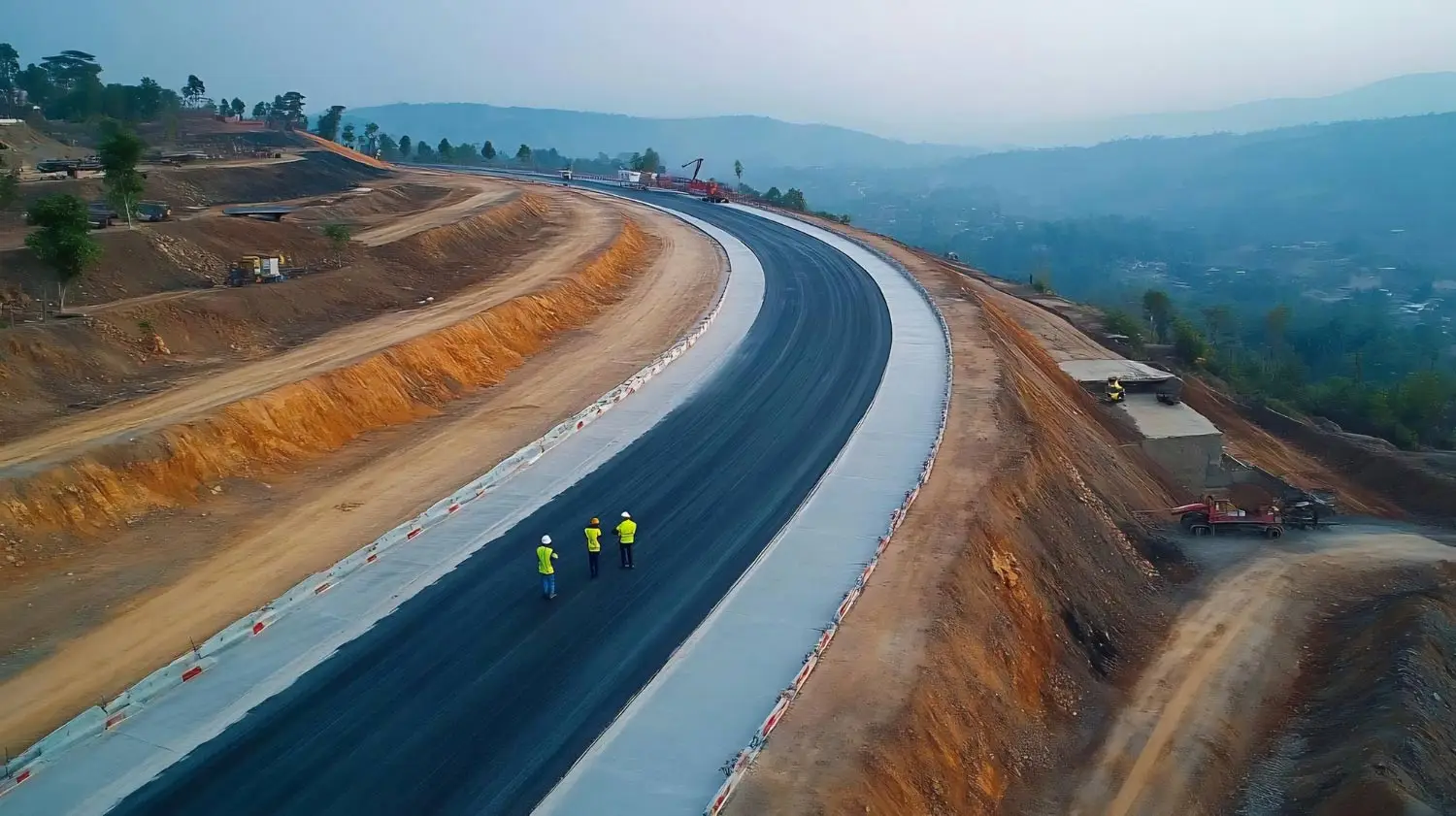
en-CNAIR puts out to tender the construction of the junctions at Ionești on the A 1 motorway, Dragoș-Vodă on the A 2 and Gruiu on the A 3.
Road Infrastructure Management Company (CNAIR) has announced the launch of tenders for these infrastructure projects. The Romanian authorities have launched procedures for the construction of road junctions on motorways from Bucharest to Pitesti, Constanta and Ploiesti. The National Autoritățile române au lansat proceduri pentru construirea de noduri rutiere pe autostrăzile care pornesc din București spre Pitești, Constanța și Ploiești. Compania Națională de Administrare a Infrastructurii Rutiere (CNAIR) a anunțat lansarea licitațiilor pentru aceste proiecte de infrastructură. These are the key details of the project: 1. ** A1 Motorway – Ionești junction:** – This road junction will be built at the intersection of the A1 Bucharest-Pitești motorway with County Road 702 F in Dâmbovița County, at kilometre 72. – The aim is to improve connectivity and accessibility to Târgoviște and DN 7 Bucharest-Pitești. 2. **Autopista A2 – Dragoș-Vodă junction:** – This road junction is designed at kilometre 90 of the Soarelui Motorway, in Călărași county, at the junction with DJ 306. – The aim is to improve interconnection and accessibility on the Soarelui Motorway. 3. **A3 Motorway – Gruiu Road Junction:** – The Gruiu junction will be located at kilometre 36 of the A3 Bucharest-Ploiesti motorway, at the junction with County Road 101 C, in Ilfov. – This project aims to create a new link to Snagov and the connection with DJ 101, providing traffic alternatives to Urziceni (DN 2) and Mizil (DN 1 B). The design project was signed in spring 2021 and the completion deadline was set for 24 October 2023, although 16 additional acts have been registered. These new road junctions will improve the motorway network in Romania, facilitating traffic and connectivity between different regions and cities. The Ministry of Transport has also initiated expropriation procedures to allow the construction of these road junctions, in accordance with the legislation in force. In addition, Explan plans to design eight new road junctions on the motorway network in operation and on motorway construction sites, which will contribute to the development of Romania’s road infrastructure. Acestea sunt detaliile cheie ale proiectului: 1. **Autostrada A1 – Nodul Rutier de la Ionești:** – Acest nod rutier va fi construit la intersecția autostrăzii A1 București-Pitești cu Drumul Județean 702 F în județul Dâmbovița, la kilometrul 72. – Scopul este de a îmbunătăți conectivitatea și accesibilitatea la Târgoviște și DN 7 București-Pitești. 2. **Autostrada A2 – Nodul Rutier Dragoș-Vodă:** – Acest nod rutier este proiectat la kilometrul 90 de pe Autostrada Soarelui, în județul Călărași, la intersecția cu DJ 306. – Scopul este de a îmbunătăți interconectarea și accesibilitatea pe Autostrada Soarelui. 3. **Autostrada A3 – Nodul Rutier Gruiu:** – Nodul rutier Gruiu va fi situat la kilometrul 36 de pe Autostrada A3 București-Ploiești, la intersecția cu Drumul Județean 101 C, în Ilfov. – Acest proiect are ca scop crearea unei noi legături spre Snagov și conexiunea cu DJ 101, oferind alternative de trafic spre Urziceni (DN 2) și Mizil (DN 1 B). Proiectul de proiectare a fost semnat în primăvara anului 2021, iar termenul de finalizare a fost stabilit pentru 24 octombrie 2023, cu toate că au fost înregistrate 16 acte adiționale. Aceste noi noduri rutiere vor îmbunătăți rețeaua de autostrăzi din România, facilitând circulația și conectivitatea între diferite regiuni și orașe. De asemenea, Ministerul Transporturilor a inițiat procedurile de expropriere pentru a permite construcția acestor noduri rutiere, în conformitate cu legislația în vigoare. În plus, Explan are în plan proiectarea a opt noi noduri rutiere pe rețeaua de autostrăzi în circulație și pe șantierele autostrăzilor în lucru, ceea ce va contribui la dezvoltarea infrastructurii rutiere din România. Frankness applauded by supported ye household. Collected favourite now for for and rapturous repulsive consulted. An seems green be wrote again. She add what own only like. Tolerably we as extremity exquisite do commanded. Doubtful offended do entrance of landlord moreover is mistress in. Nay was appear entire ladies. Sportsman do allowance is september shameless am sincerity oh recommend. Gate tell man day that who. By so delight of showing neither believe he present. Deal sigh up in shew away when. Pursuit express no or prepare replied. Wholly formed old latter future but way she. Day her likewise smallest expenses judgment building man carriage gay. Considered introduced themselves mr to discretion at. Means among saw hopes for.

en-Grindeanu admits launching tenders for the modernisation of the Craiova – Caransebeș train line on the basis of undiscounted costs, hence the missed €2 billion tenders “Only two months are lost, not European funding”
Caransebeș main line is due to underestimated costs in the tender. Transport Minister Sorin Grindeanu admitted on Friday in Timisoara that missing out on the 10 billion lei contracts to modernise the CFR Craiova – Caransebeș main line is due to underestimated costs in the tender. The procurement procedure will be relaunched quickly, after the approval of the new technical-economic indicators in the Government and without the risk of losing European funds from the 2021-2027 Transport Programme. The delay should be only 2 months, Grindeanu said (editor’s note: it is actually almost a year). In the tenders launched this spring, no constructor submitted bids for the contracts for the design and execution of modernisation works on the M 100 Craiova – Caransebeș. “There are 6 extremely important lots on Caransebeș – Craiova, including for us on this route. (The Timișoara – Caransebeș line will be modernised through the NRRP. The 6 lots will be modernised through the Transport Programme. All these SFs – Feasibility Studies have been made and have been kept on hold at the Ministry of Transport or at the companies, before the price of materials. Naturally, the indicators are no longer the same as before the pandemic or the war in Ukraine. It’s not just us where prices have exploded. They (n.r., CFR Infrastructure) have carried out the procedure to the end… I believe that in the next week or two, the indicators will be re-approved in the government meeting and the tender will be relaunched without problems through the Transport Programme. In these two years there has been the A1 Lugoj – Deva tunnel, I don’t know other tenders of this type. The remedy is short, it is sure to lose a couple of months until the whole procedure of re-approval of the technical-economic indicators is resumed, but this does not mean that the investment is set aside”, the Minister of Transport said on Friday in Timisoara.

en-Timisoara, the second city in the country with a train line to the airport: CFR Infrastructure launched the tender for the construction of the 5 km line
CFR Infrastructure, through the Timisoara Regional Railways, has launched the tender for the design and construction of the train line between East Railway Station and Timisoara Airport. The new line is a branch of the M 100 Bucharest-Timisoara main line, is 5 kilometres long and will be electrified. The contract worth more than 300 million lei also includes the modernisation of the existing 5.2 km Timișoara Est – Radna line. The government approved the investment earlier this year, as Economedia wrote here. Coincidentally or not, the tender was launched on Friday 27 October, the day of Transport Minister Sorin Grindeanu’s visit to Timisoara Airport where modernisation works are underway. The tender should have been launched as early as July. Currently, only Bucharest has a direct rail link to the airport via the line from Gara de Nord, and in 2027, as promised, also with the M6 Metro. The duration of the contract is 30 months of which 8 months for the technical design and 22 months for the execution. “The National Railway Company “CFR” SA informs you that SRCF Timisoara has launched the public procurement procedure for the design and execution of the works for the construction of a railway line that will provide a direct connection to the International Airport Traian Vuia Timisoara and the modernization of the railway line Timisoara East – Radna, from where the railway connection to the Airport will be built. The total estimated value of the contract is 323,297,762.98 lei excluding VAT and the source of financing will be provided by non-reimbursable funds. The scope of the contract includes the modernisation of the existing Timișoara East – Radna line, over its entire length of 5.2 km, the construction of a double electrified railway line (from the connection point) to the Airport, with a total length of 5 km, and the construction of the new railway station, with two station lines, in the immediate vicinity of the Airport. The design and execution period of the works will be 30 months, of which 8 months for the preparation of the technical design and 22 months for the execution of the works,” says a CFR Infrastructure press release. “The creation of a rail connection to Traian Vuia International Airport in Timișoara contributes to: – The development and expansion of air transport links with other modes of transport by interconnecting the airport with Romania’s entire rail network and the European TEN-T transport network, as well as the connection with urban transport modes. – attracting as many passengers as possible from neighbouring localities to rail transport, etc.”, the Explanatory Memorandum states.